


Custom IoT Development Services
IoT system creates a centralized source of truth that allows teams to understand what is happening across operations.
When equipment, software, and sensors are connected to create an ecosystem, data becomes visible, measurable, and usable across the organization.
What is custom IoT development?
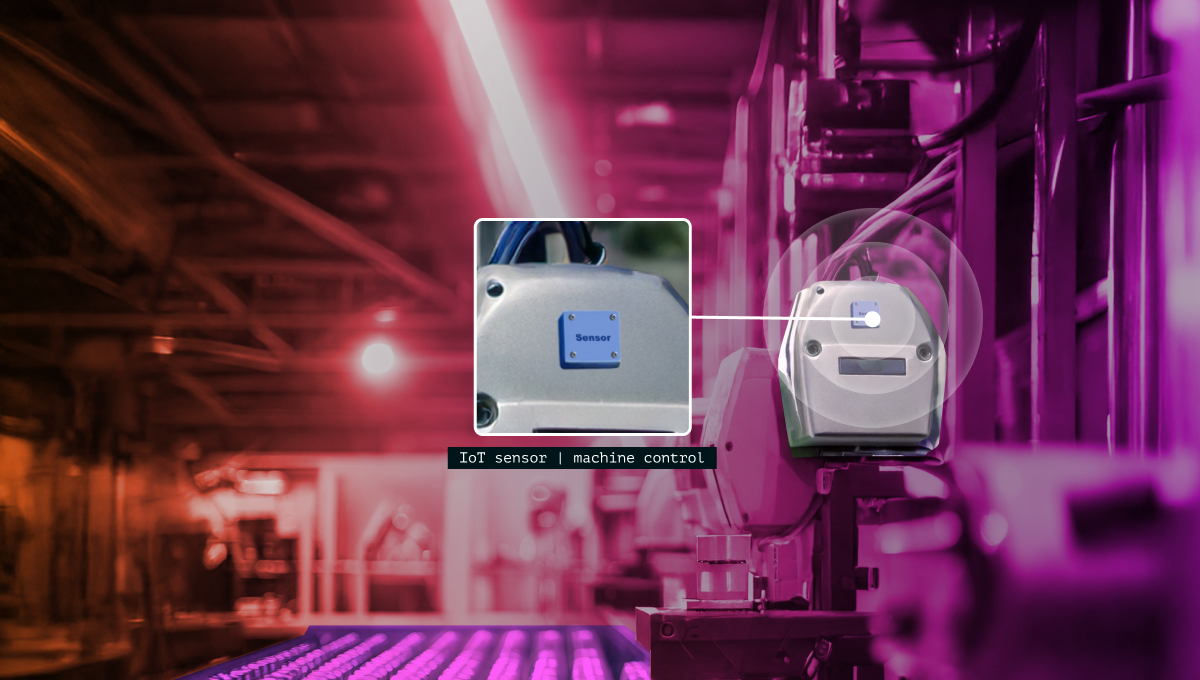
Custom IoT development is the process of designing systems that connect sensors, controllers, and gateways into a single, dependable data environment. These systems centralize signals from diverse devices and make them available through cloud-based or on-premises platforms.
When built correctly, these systems support predictive maintenance, condition monitoring, and anomaly detection. Over time, they become the foundation for more reliable and efficient operations.
Custom development allows systems to use low-power and industrial communication protocols such as LoRa, LTE, LTE Cat-M, and NB-IoT. It also makes it possible to remain independent from single-vendor platforms and adapt systems as operational requirements evolve.
Why does it matter to have an IoT solution?
Without connected systems, organizations often rely on delayed reporting, manual checks, and isolated device data. Important signals remain invisible, and early indicators of failure are easy to miss.
IoT systems make it possible to continuously observe temperature, vibration, energy use, location, and performance data. Once these signals are centralized, teams begin to see patterns instead of isolated events, and decisions shift from reactive to informed.
Before IoT solution
- Operators rely on manual inspections and siloed tools;
- Unexpected failures that cause downtime;
- Custom engineering to connect a new device to the system;
- Slow and inaccurate reporting that makes optimisation reactive.
After IoT solution
- A central system shows real-time machine and sensor data to all teams;
- Predictive maintenance alerts prevent failures and cut downtime;
- New devices connect and scale without rework;
- AI dashboards automate reporting;
- Insights guide continuous improvements.
A custom IoT ecosystem gives executives, engineers, and operators a shared, accurate view of operations, and a backbone for digital transformation.
What kind of technical expertise is needed to build a custom system?
Building reliable IoT systems requires coordinated expertise across hardware, firmware, connectivity, security, and data systems. Each layer plays a role in centralizing physical signals and extracting useful information out of it. AI engineer knowledge comes in handy too if predictive analytics or agentic AI is necessary.
Hardware and software integration
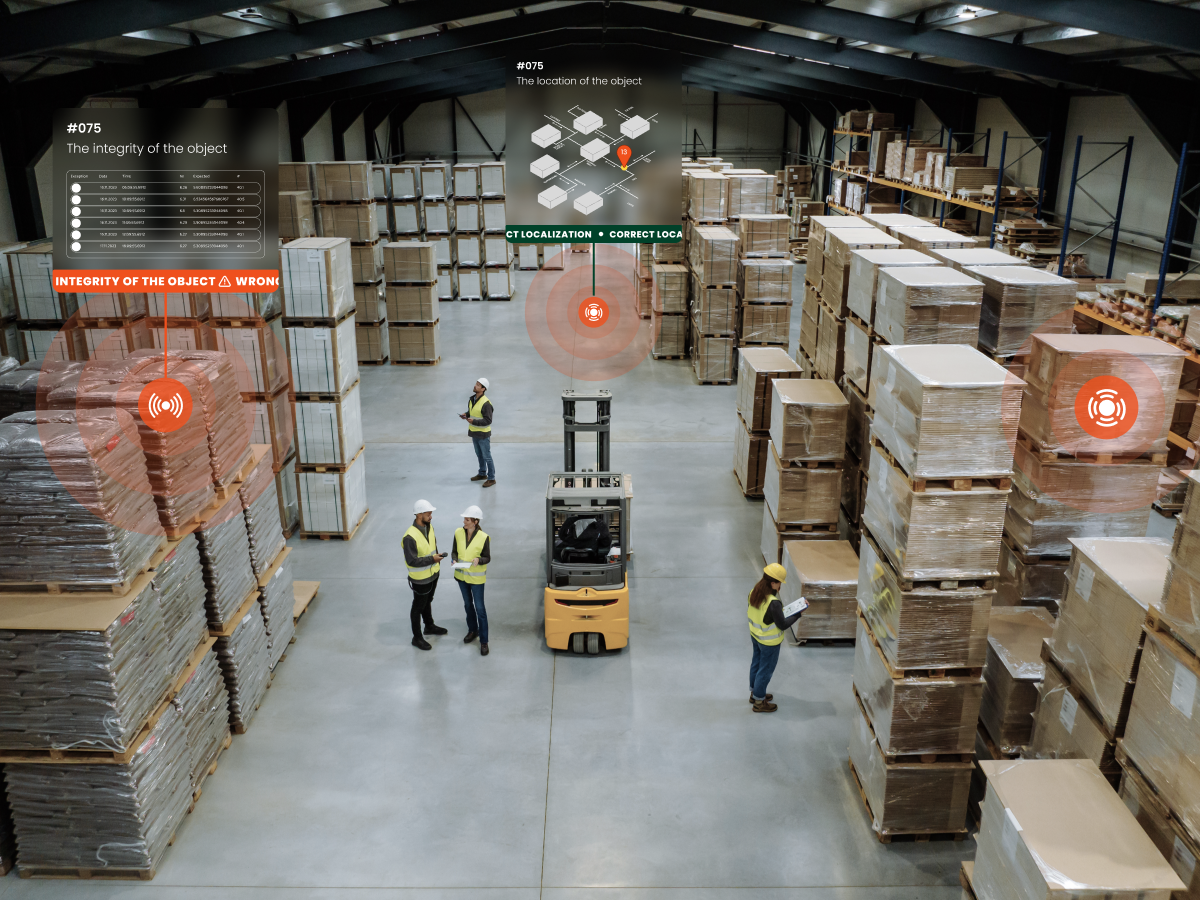
Custom development provider for IoT system has the right expertise to pick the hardware for your needs, develop the firmware and connect data to cloud or local edge platforms, so all components can communicate.
AI-driven data analysis
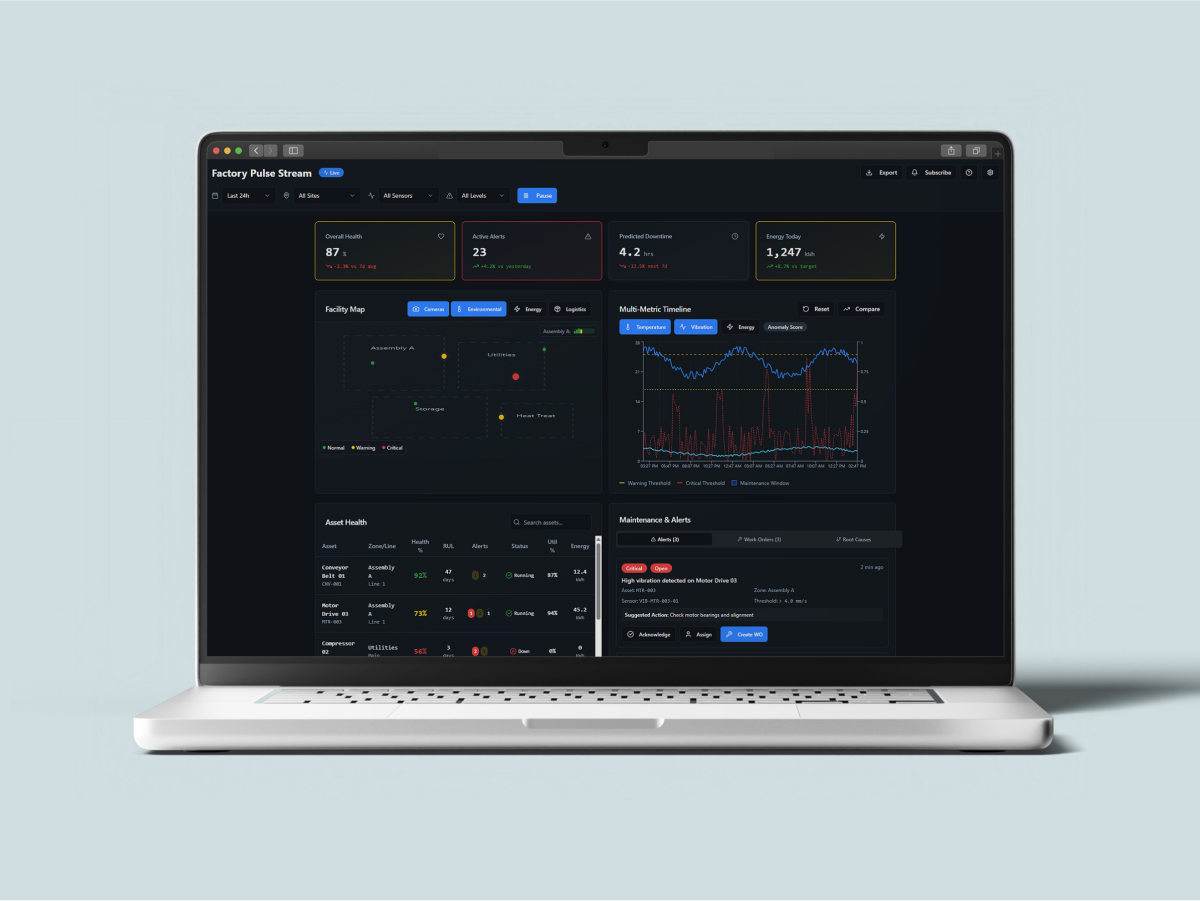
Collecting and storage is one side of expertise, the other is making data actionable. Seek experts who not only handle large data points, but also can build AI pipelines that spot inconsistencies and anomalies about temperature, humidity and any other factors you want to measure.
Embedded systems
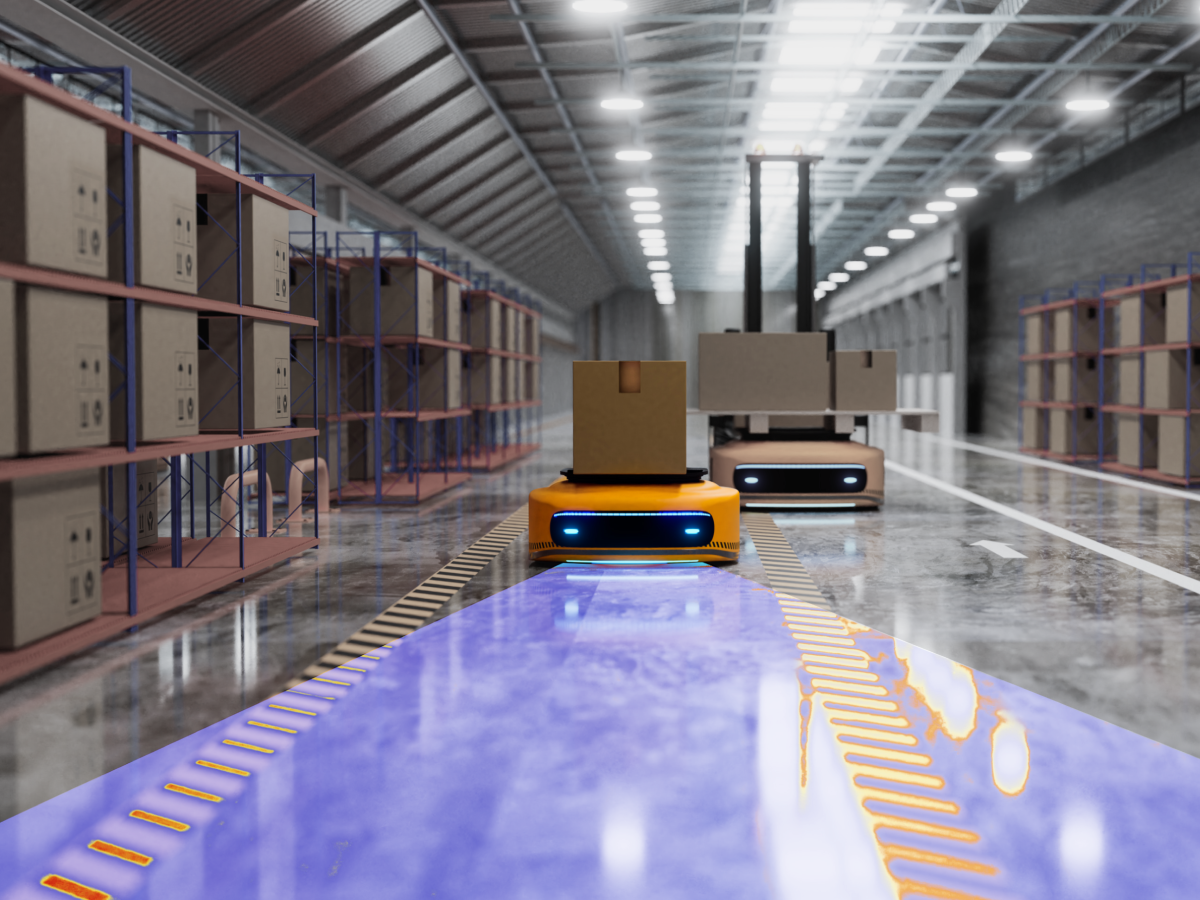
Optimize microcontrollers and sensors for low power consumption, reliability, and communication over protocols like LoRa, LTE, LTE Cat-M, and NB-IoT, so devices can operate efficiently in demanding environments.
Connectivity
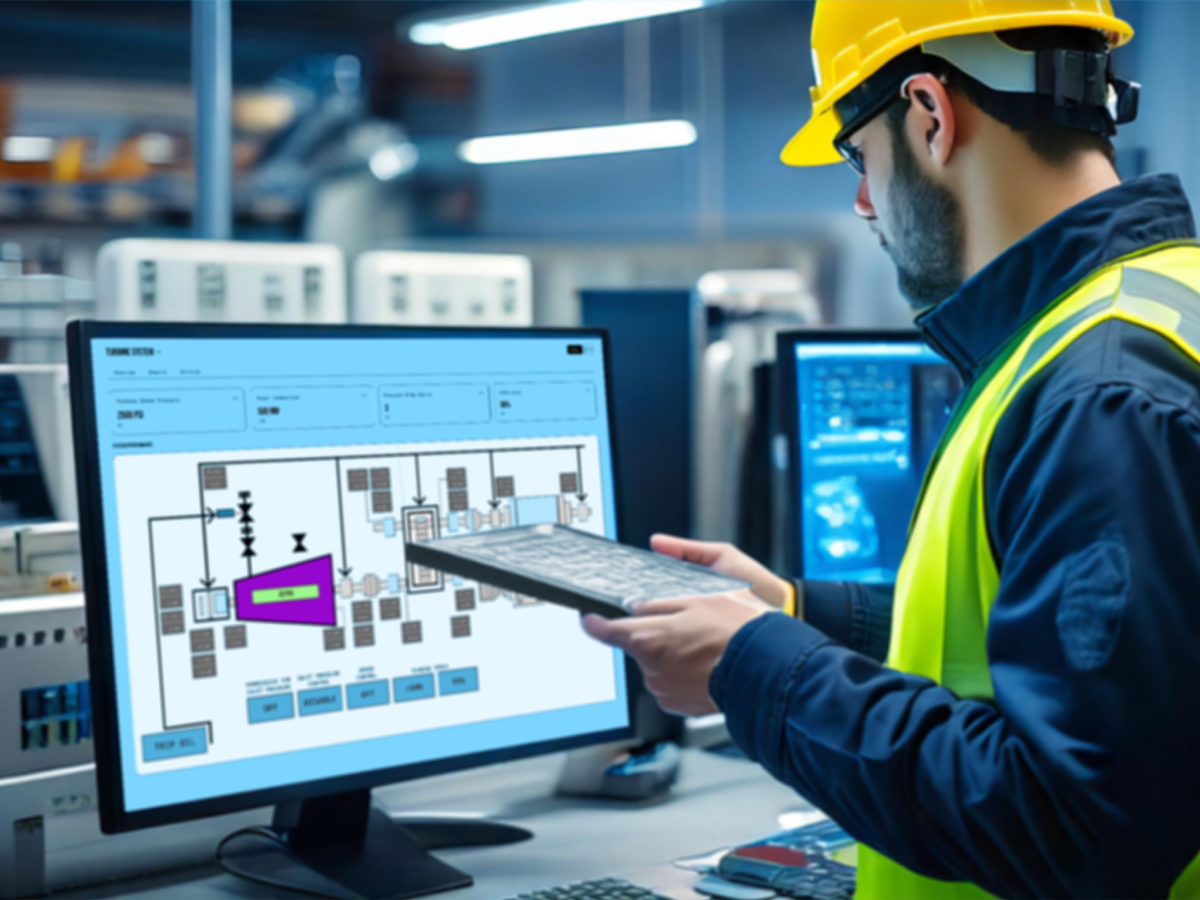
In IoT, connectivity refers to how devices, sensors, and gateways communicate with each other and with central systems. This can include wireless solutions like BLE, Wi-Fi, LTE, LoRa or wired like USB or Ethernet.
Security
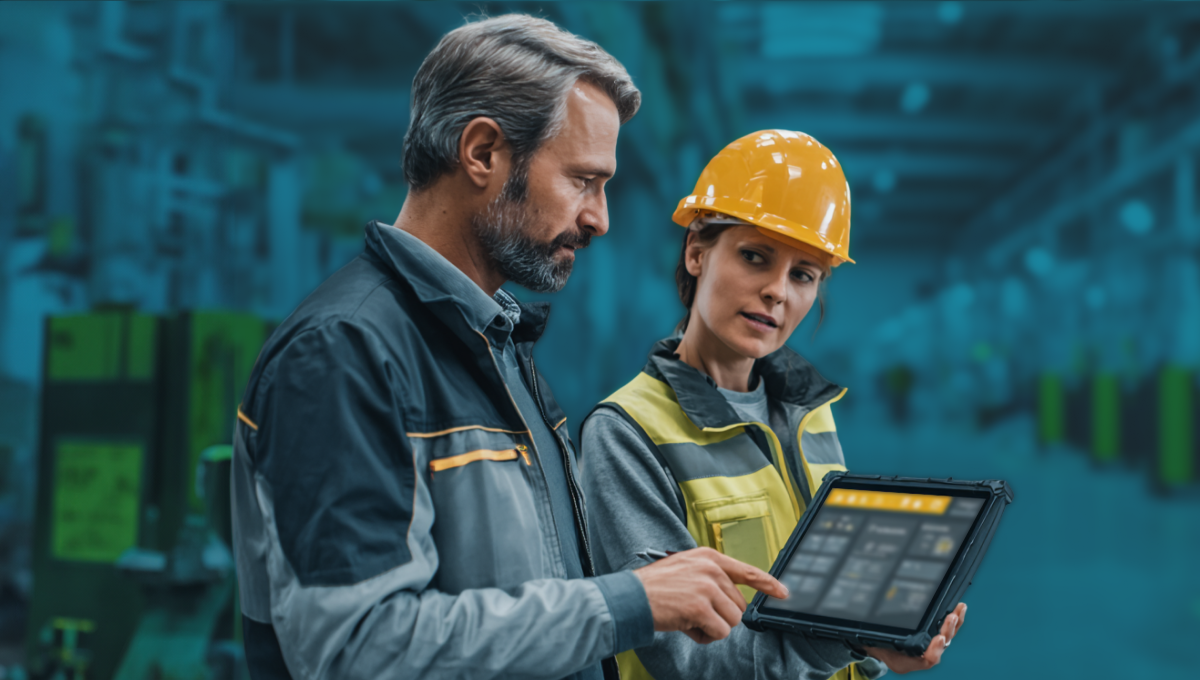
IoT developers can help you protect data and maintain compliance by implementing secure communication channels, device authentication, and encryption across all layers of the system.
What’s the process like of developing a custom IoT system?
Custom IoT system development starts with integrating sensors, controllers, and gateways into a secure, centralized ecosystem and designing data pipelines for real-time and industrial-scale environments. The IoT system then processes this data through AI-powered dashboards to detect anomalies, predict failures, and deliver actionable insights directly to existing operations.
Rather than being built in a single step, IoT systems grow through predictable stages.
Level 1: Data becomes visible
- Integrate sensors, controllers, and gateways into one ecosystem
- Enable seamless, secure communication via scalable cloud or local edge systems
- Handle large set of data points with the right pipelines
- Design for long battery life and industrial environments
Case Study: In a dairy logistics system, distributed sensors and gateways collected temperature and location data from trucks and storage facilities for centralized monitoring of the supply chain.
Level 2: Data becomes useful
- Build AI-powered dashboards that tell you whenever they sense anomalies
- Predict equipment failures before they cause downtime
- Provide real-time monitoring and historical analysis
- Send insights directly to existing systems
Case Study: In semi-autonomous warehouses, our IoT orchestration system coordinated human and robot tasks in real-time, reducing idle time and improving operational efficiency.
3 examples IoT projects that showcase our expertise
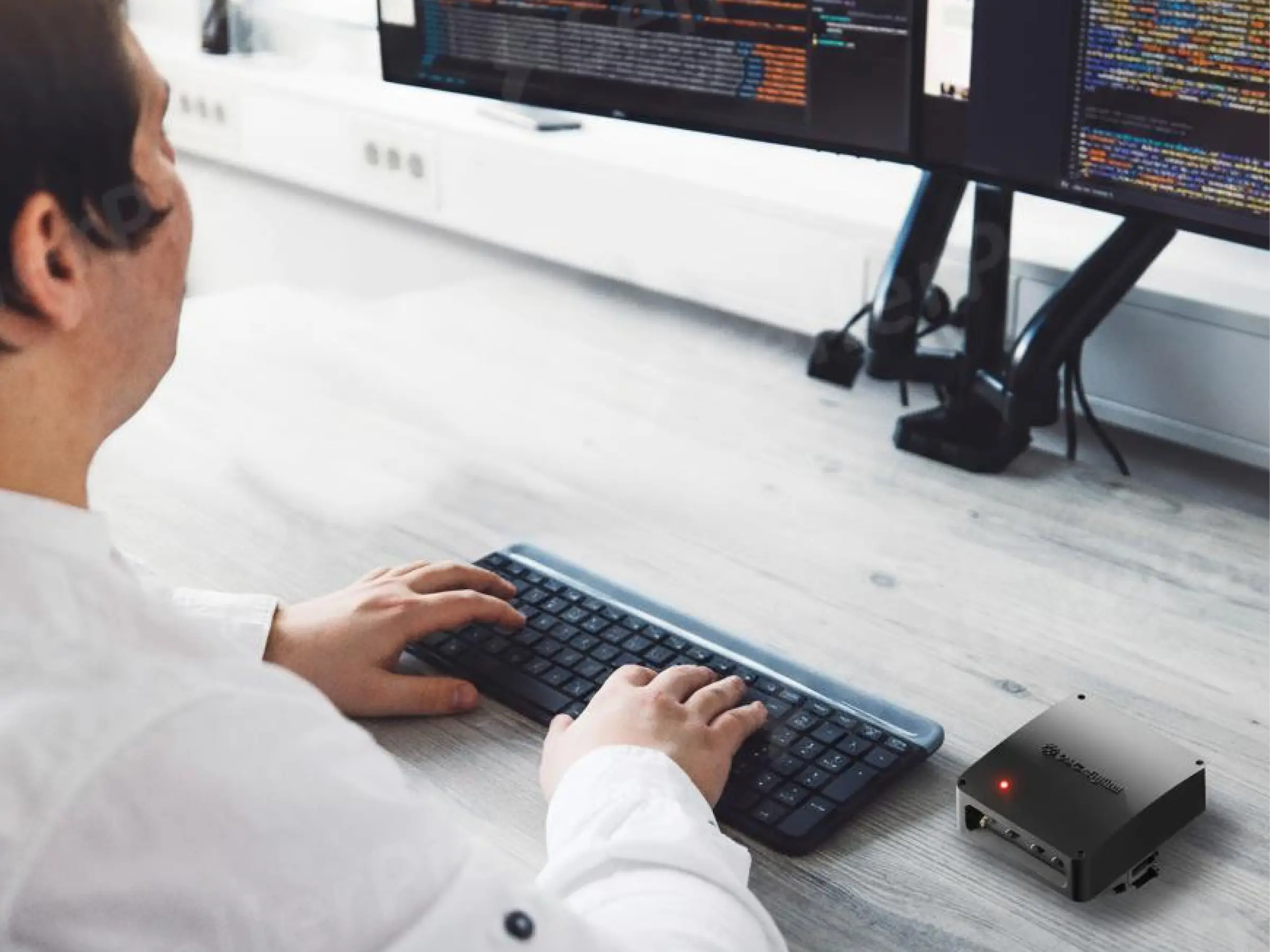
D_Box multifunction device for data collection
For companies rolling out IoT projects, data collection can become a bottleneck if devices can’t connect. D_Box is a plug-and-play tool to gather and manage IoT data across both stationary and mobile setups.
Device integration system for IoT expansion
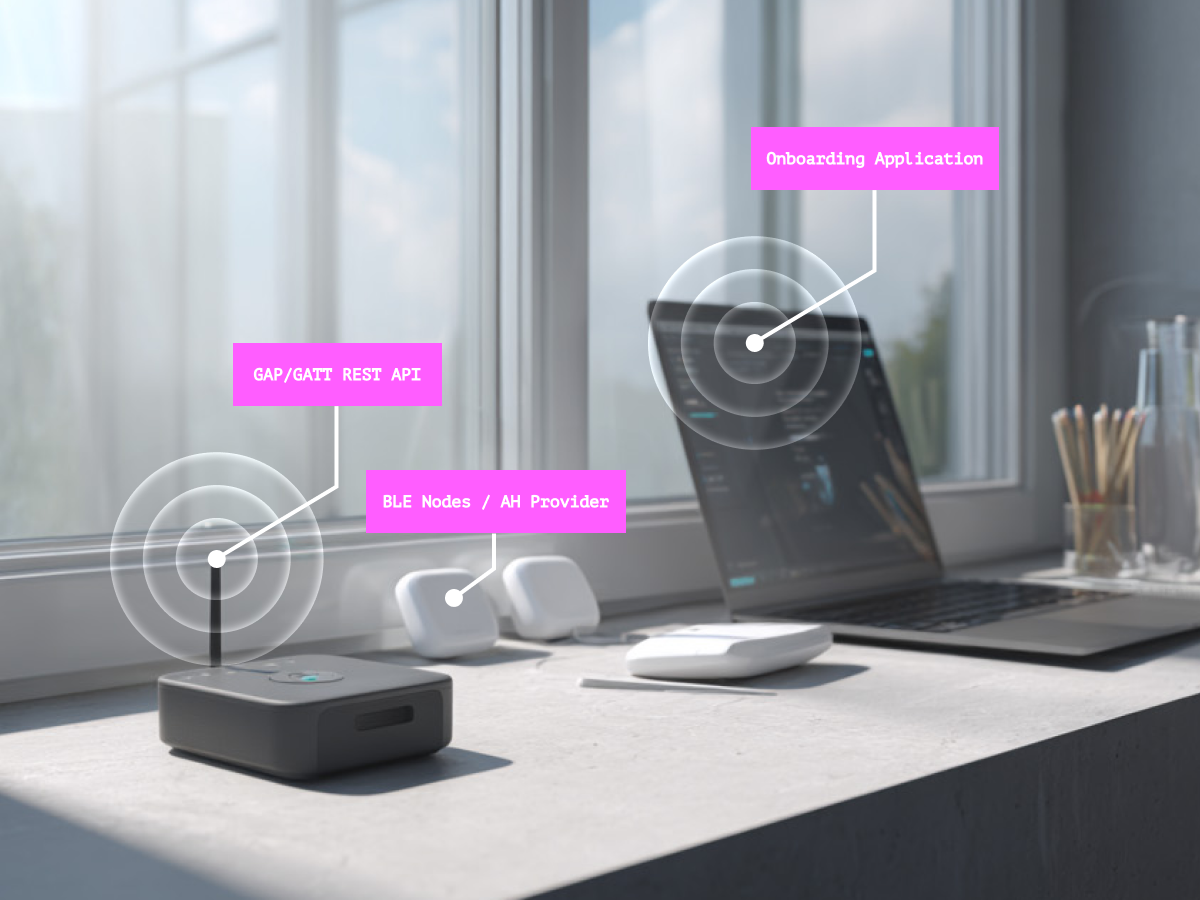
The development of a tool that integrates BLE devices into the Arrowhead Framework using REST. This approach allows future industrial sensors to be added without additional development work. Gateways and cloud systems can easily scale to support new fleets, sensor types, and deployments.
IoT traffic sensor platform development
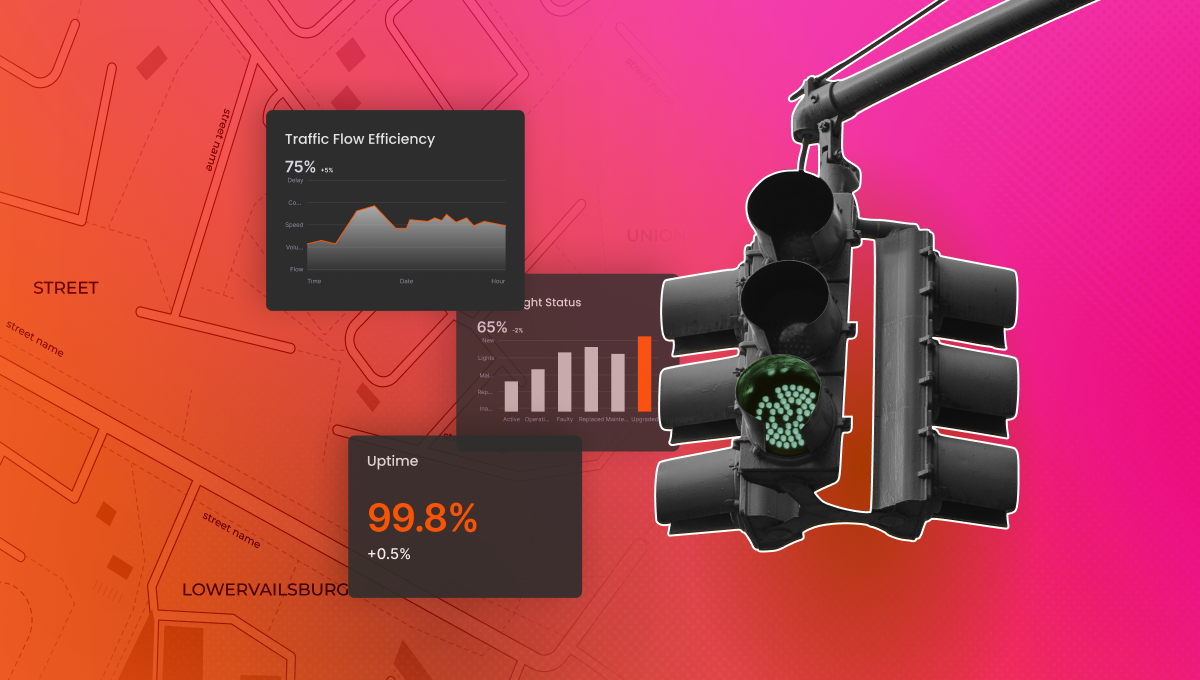
This project demonstrates how large-scale IoT architectures can remain stable under heavy load. By centralizing data from more than 20,000 traffic and road sensors, the system made it possible to classify service requests automatically and provide technicians with real-time visibility through a unified dashboard and mobile application.
Need an IoT System for Industry?
We build industrial IoT systems that make your production lines smarter, more resilient, and ready for the future.

What are the consequences of not acting?
What happens without IoT system
Without centralized visibility, organizations typically rely on periodic inspections and delayed reporting. Over time, this creates blind spots where small issues go unnoticed until they lead to larger failures, extended downtime, or inconsistent production quality.
IoT systems reduce this uncertainty by making operational behavior observable.
What is the outcome of using IoT development services?
Gain a centralized system that tells you what’s going on and what you need to do to improve operations.
AI predictive maintenance
You’ll get predictive maintenance that uses data and AI models to forecast equipment issues before they happen.
AI anomaly detection
You’ll get AI-powered anomaly detection that spots unusual patterns in your data to keep operations running smoothly.
Data share across devices
You’ll get a secure and reliable infrastructure and technology that makes your physical devices exchange data and stay connected.
What makes DAC.digital different from other vendors?
Effective IoT systems are designed as living systems that evolve over time, adapt to changing operational needs, and remain understandable to both engineers and operators. This is what we excel at at DAC.digital.
End-to-end IoT expertise
Our team handles the full stack, from designing and programming devices and gateways to building cloud platforms and AI analytics systems.

Industrial-scale systems
We can centralize tens of thousands of sensors and devices, turning raw data into actionable insights for your operations.
AI-ready data pipelines
We develop data pipelines that include signal analysis, preprocessing, and dashboards, enabling anomaly detection and predictive maintenance.
Proven industrial focus
We have completed custom IoT integrations across manufacturing, logistics, fleet management, and agriculture, delivering solutions tailored to each industry’s unique needs.
Our Team
We specialize in building industrial IoT systems that connect sensors, hubs, and machines into a centralized data ecosystem. We integrate and program proven devices, so you get reliable data without high R&D costs.
Our strength lies in gathering signals and bringing them together to generate insights. We design AI-based dashboards and data pipelines that detect anomalies, predict equipment failures, and give operators, managers, and engineers a single source of truth.
Whether it’s monitoring energy fluctuations, analyzing vibrations, or processing camera streams, we help manufacturers and production line builders get real value from IoT.

R&D Projects.
Case Studies.


Let’s Make IoT Work for Your Business
Connect sensors, devices, and controllers into one ecosystem to centralize your data. Start small with a pilot, expand through staged releases, and scale to full production. Hardware, firmware, secure communication protocols, and AI data dashboards come together in an easy-to-read system. Fill out the form below if you’re interested to learn what’s possible.
Contact us!
Send us an email: [email protected]