

Technologies for Manufacturing
Computer vision, IoT, embedded systems, machine learning, agentic AI and conversational AI, matched to a real problem on your production line, not a generic technology list.

23 Deloitte Fast 50 Central Europe 2023
Deloitte Fast 50

Forbes Technology Council Official Member
Forbes

1000 Europe’s Fastest Growing Companies
2023 & 2024
Financial Times

Polish Company International Champion 2020
PwC
Master of Innovative Transformation 2021
MIT Sloan Review
Which technology fits your plant?
Manufacturers rarely start with a technology. They start with a problem: a defect rate that will not come down, a machine that fails without warning, a report that takes a full shift to compile, a question a customer keeps asking your support line. Each of those problems tends to map to a different technology, and most real projects end up combining two or three of them. This page is a starting point: a short description of what each technology does on the shop floor, and a link to see it in more depth.
Agentic AI in Manufacturing
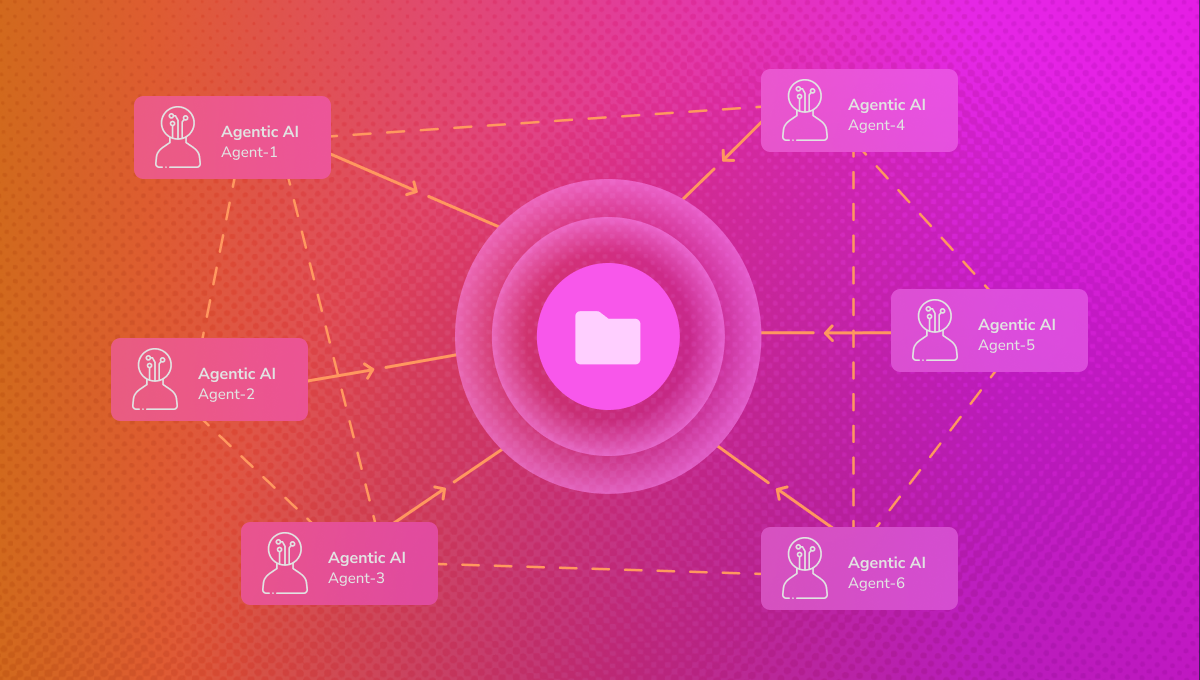
Agents that plan, execute and monitor tasks across the shop floor, not chatbots that only answer questions.
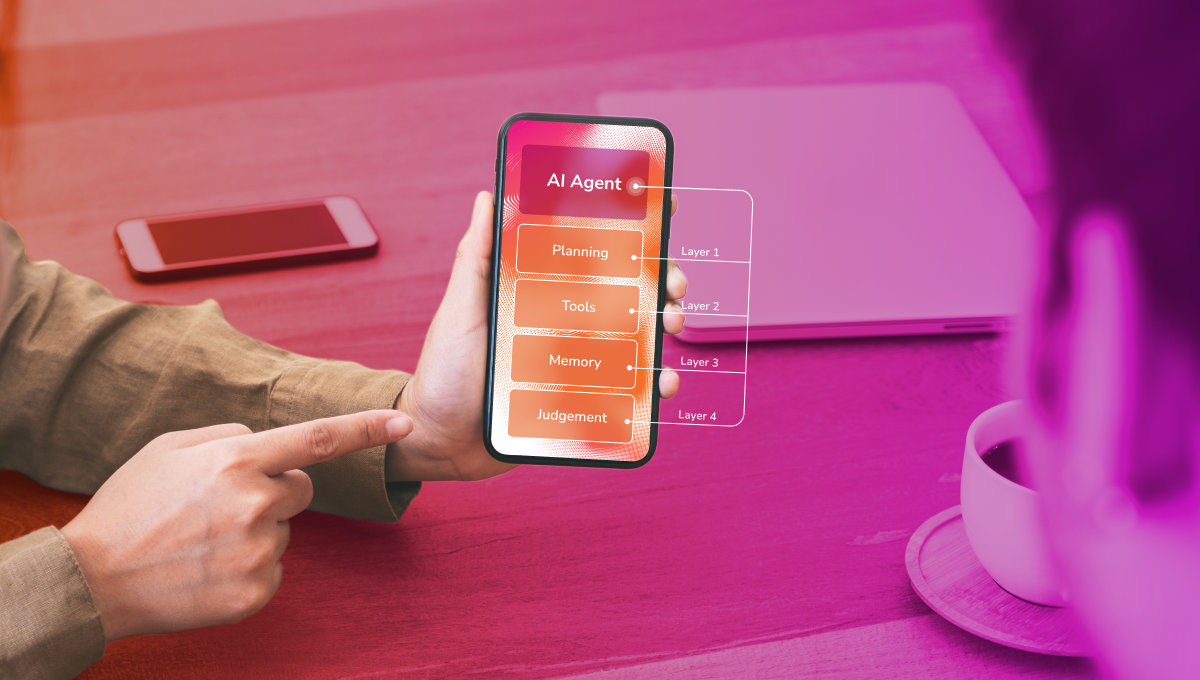
An agentic AI system takes autonomous, goal-oriented action on top of an LLM such as ChatGPT or Gemini. In manufacturing, that covers automation of administrative and logistical processes, agents that pull and interpret data from MES, SCADA, ERP and IoT systems, and copilots for line operators, maintenance teams and quality control. DAC.digital scopes each agent around one defined use case with a measurable outcome, rather than building a general-purpose assistant.
IoT in Manufacturing
Connect machines, sensors and legacy equipment into one data stream, then put that data to work.
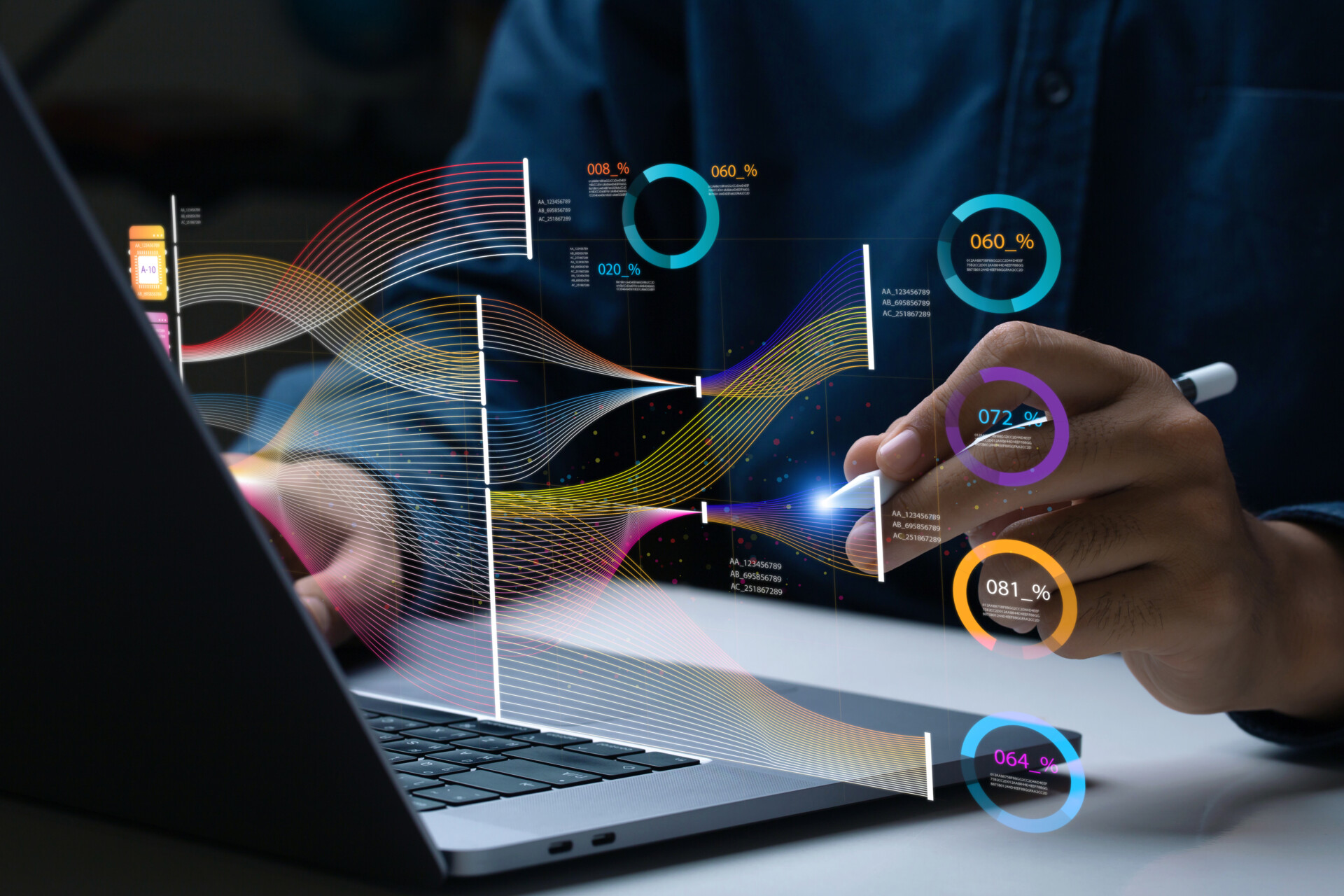
IoT for Industry 4.0 turns a plant into a connected, data-driven environment: sensors and edge devices feed real-time monitoring, predictive maintenance and process automation. DAC.digital builds custom IoT ecosystems and, where a machine was never wired for data collection, retrofits it using our own D_Box hardware, already running in dairy and industrial IoT deployments.
Machine Learning in Manufacturing
Turn production data you already have into predictions: quality, maintenance, demand.
Machine learning models find patterns in data your plant already produces, supporting use cases such as image recognition for quality control, predictive maintenance and production forecasting. DAC.digital’s ML team holds PhD-level expertise in computer vision, NLP and deep learning, and trains models on your own production data rather than a generic dataset.
Computer Vision for Manufacturing
Cameras and algorithms that catch defects a tired inspector on the last hour of a shift would miss.
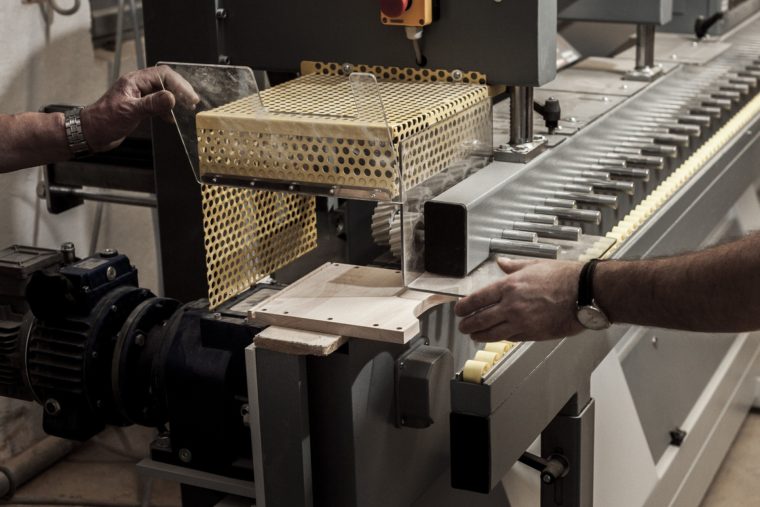
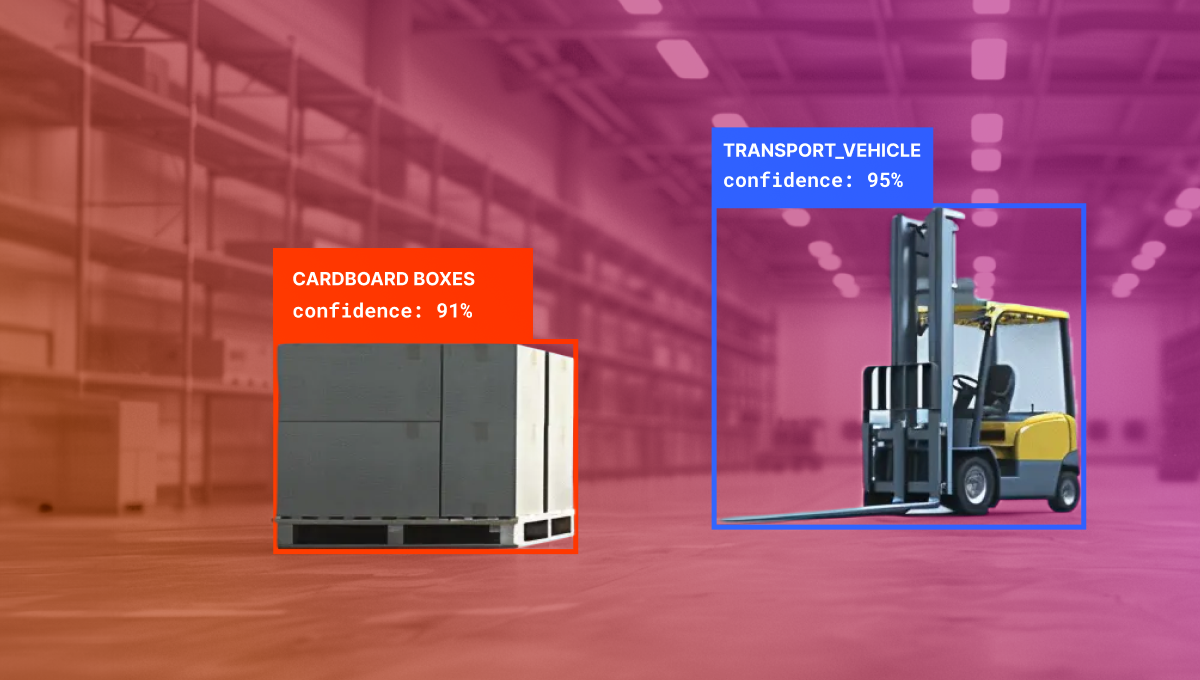
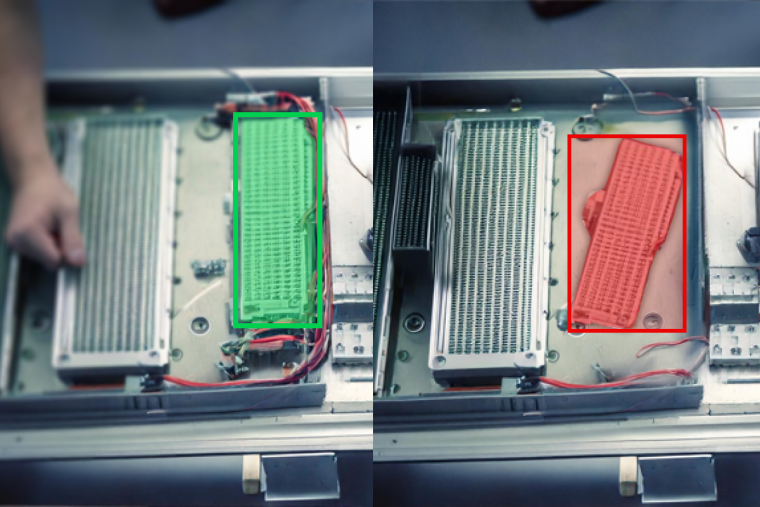
Computer vision systems inspect products in real time, covering quality control, safety monitoring, object identification and support for robotics and automation. DAC.digital has delivered computer vision systems across wood, metal and plastics manufacturing, including a system that brought defects in wooden furniture production down to near zero.
Embedded Systems in Manufacturing
The firmware and hardware layer that makes IoT and automation possible in the first place.
Nearly every project we deliver starts here. A short, structured workshop turns a vague AI idea into a scoped plan with costs and success metrics, so you know what you are buying before you commit budget.
Conversational AI in Manufacturing
Natural language access to shop floor data, procedures and customer questions, no manual search required.
Conversational AI and chatbots let workers, technicians and customers ask a question in plain language and get an answer pulled from your own documentation, machine data or order history, instead of searching manuals or waiting on a phone line. DAC.digital has delivered natural language processing and chatbot projects, including a customer-facing AI chatbot for e-commerce support, and applies the same approach to shop floor and B2B use cases in manufacturing.
Not sure which technology fits your plant?
Tell us the problem, not the technology you think you need. We will point you to the right solution, or tell you honestly if we are not the right fit.

Case Studies

Already Trusted Us










Our certifications




How we work with manufacturers

1. Discovery call
We talk through your process and where the pain actually is, no sales deck.
2. AI workshop or scoping (2–3 days)
We map the process, define acceptance criteria, and hand you a report with a scoped plan and cost estimate.
3. Pilot
We build a working pilot against your real documents, drawings or machine data in complex production environments, not a demo on sample files.
4. Scale and integrate
Once the pilot proves the case, we integrate it into your systems, expand scope, and help you optimize production processes across the plant.
Meet the Technology Experts Behind the Industrial Innovations





FAQ
What is the difference between IoT, embedded systems, computer vision, machine learning and agentic AI in manufacturing?
IoT connects sensors and machines into one data stream. Embedded systems are the firmware and hardware layer that makes IoT devices and automation possible in the first place. Machine learning finds patterns in the data that IoT and other systems collect, powering predictions such as maintenance needs or defect rates. Computer vision is a specific application of machine learning that analyses images and video, most often for quality control. Agentic AI sits on top of all of this: it takes autonomous, goal-oriented action, using data from IoT, machine learning models and existing systems like MES, SCADA and ERP to complete a task instead of only reporting on it.
Which of these technologies should a manufacturer start with?
Start with the problem, not the technology. A defect rate that will not come down usually points to computer vision. Machines failing without warning points to IoT combined with predictive maintenance built on machine learning. A report that takes a full shift to compile points to agentic AI. DAC.digital’s Industrial AI Workshop is built around this: a 2-3 day scoping session that maps the actual process and hands over a cost plan before committing to a specific technology.
What is agentic AI, and how is it different from a chatbot or RPA (robotic process automation)?
Generative AI designs new options for a person to choose from. Robotic process automation clicks through screens following a fixed script. Agentic AI is different from both: it reads and reasons about content such as a drawing, a report or a warranty claim, and takes autonomous, goal-oriented action based on that reasoning, which is why it can handle cases a rules-based script or a simple chatbot would fail on.
Do we need to send our production data to the cloud to use these technologies?
No. DAC.digital works with whatever a client’s policy requires, including Microsoft Azure, AWS or fully on-premise servers, for IoT data, computer vision models and agentic AI systems alike. Sensitive data such as drawings, machine data or customer records stays inside the client’s own systems and access rules.
How much does it cost to implement computer vision, IoT or agentic AI in manufacturing?
Cost depends on scope, but for computer vision as a reference point, an Industrial AI Workshop costs roughly 3,000 to 8,000 EUR net, a first working version of a solution roughly 10,000 to 50,000 EUR net, and a fully integrated system with MLOps and system integrations starts at 50,000 EUR net. IoT, embedded and agentic AI projects follow the same staged approach: a scoped workshop first, then a costed roadmap for the pilot and full build.
How long does it take to implement one of these technologies?
An AI workshop or scoping session takes 2 to 3 days and produces a cost plan. A pilot typically shows results within weeks against a manufacturer’s own data, drawings or machine data, not months against a generic demo.
Can these technologies integrate with our existing MES, SCADA or ERP systems?
Yes. IoT and agentic AI projects are built to connect with data already sitting in MES, SCADA, ERP, CMMS and even Excel sheets, rather than replacing those systems. Embedded systems handle the connectivity and integration layer, using protocols such as MQTT, HTTP, CoAP and OPC-adjacent standards, so new devices and sensors can report into systems already in place.
Are these technologies only for large manufacturers, or can small and mid-size plants use them too?
No. DAC.digital works with manufacturers of different sizes, from a single production line to plants with thousands of employees. A scoped pilot, rather than a full-scale rollout, is usually the realistic starting point for a smaller manufacturer.
Describe your goals and get tailored advice about AI solution development. Let’s shape the right approach and build a custom solution that fits your factory.
Contact us!
Send us an email: [email protected]