


Digital solutions are a crucial component of the mobility industry, as they enable better transportation planning, efficient fleet management, and improved customer experience.


Transport, Logistics & Mobility.
We deliver custom software solutions for transport, logistics and mobility industries. We’ve been providing nearshore teams, dedicated teams and fixed price and scope projects for companies working with the automotive industry, handling goods or delivering electric vehicles’ solutions for charging or for autonomous driving.


WORKSHOPS
We’d run discovery workshops to understand your idea, product and business goals. We’d cut the process and involve product designers, tech leads, architects, and domain experts.

ESTIMATION
You’d receive a fixed or T&M estimation – depending on your preference and the type of work to be delivered. No matter how we provide, you’d receive a quality product!

DEVELOPMENT
A dedicated team will deliver the solution and scope as agreed upon and signed before the start. You must complete information and communication from a valid PM or Delivery Manager.

GO LIVE
Once the product or feature is ready, we’d deliver it to the market with you, monitor and implement changes and upgrades as needed. Expect a partnership with us, not a one-off project!
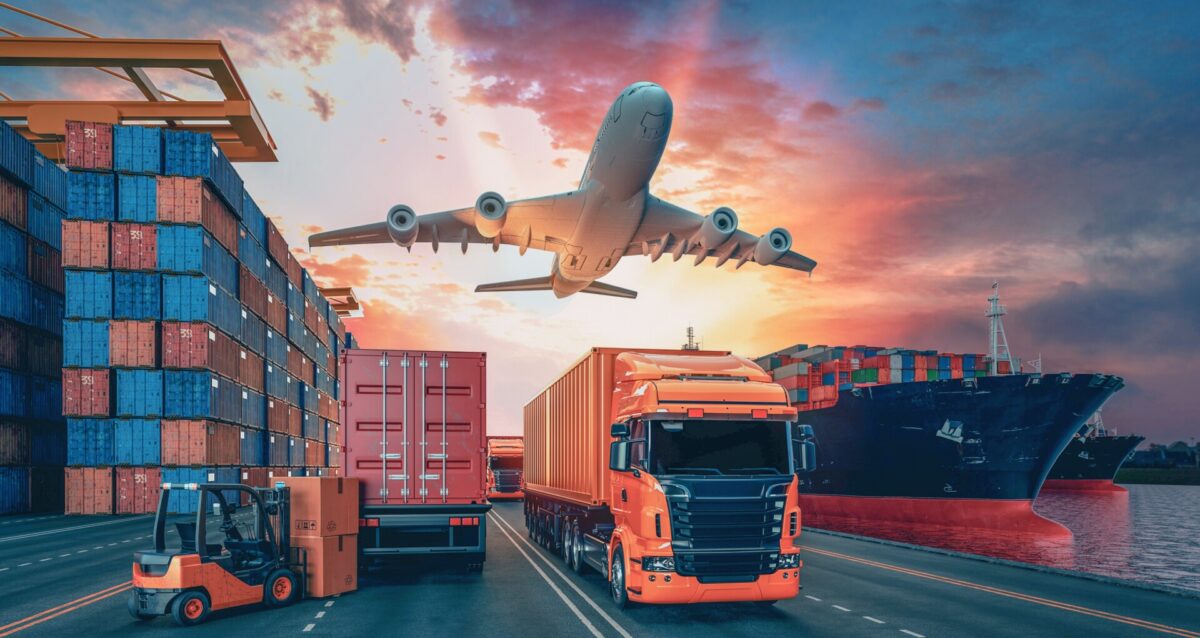
Transport, logistics, and mobility are closely related industries that move people, goods, and resources from one place to another. While transport refers to the physical movement of people and goods, logistics coordinates and manages the flow of those goods, and mobility refers to the overall concept of moving people and goods within a specific system.



Digital solutions are a crucial component of the mobility industry, as they enable better transportation planning, efficient fleet management, and improved customer experience.
The mobility industry is a vast sector that comprises various modes of transportation, such as personal vehicles, public transit, bikes, scooters, and more.
The industry’s primary objective is to facilitate movement from one place to another for people and goods. With technological advancements and the growing need for sustainable transportation, the industry has grown significantly in recent years.

Mobility-as-a-Service (MaaS): MaaS is an integrated mobility solution that combines various transportation modes, such as public transport, ride-hailing, bike-sharing, and car-sharing, into a single platform. Users can access and pay for these services using a single app.
Intelligent Transportation Systems (ITS): ITS uses technology to optimize transportation networks, improve traffic flow, and enhance safety. Examples of ITS include smart traffic signals, real-time traffic updates, and autonomous vehicles.
Electric Vehicle (EV) Charging Solutions: EV charging solutions enable owners to charge their cars at home, work, or public charging stations. These solutions include AC and DC charging stations, mobile chargers, and innovative charging solutions.
Autonomous Vehicles: Autonomous vehicles use sensors, cameras, and AI technology to operate without human intervention. They have the potential to reduce accidents, traffic congestion, and pollution.
Uber: Uber is a ride-hailing company that operates in over 900 metropolitan areas worldwide. It provides a platform for riders to connect with drivers and access on-demand transportation services.
Lyft: another famous ride-hailing company operating in the US and Canada. It offers a range of transportation services, including car rentals and bike-sharing.
Tesla: Tesla is a leading manufacturer of electric vehicles, energy storage systems, and solar panels. Its products include the Model S, Model X, Model 3, and Model Y.
Ford: Ford is an American multinational automaker that produces a range of vehicles, including cars, trucks, and SUVs. It has also invested heavily in electric and autonomous vehicle technology.
Electric Vehicles: with the rising concerns over climate change, there has been a significant push towards electric vehicles. As battery technology improves and the cost of EVs decreases, more people are expected to switch to electric vehicles.
Autonomous Vehicles: autonomous vehicles are expected to transform the transportation industry by improving safety and reducing traffic congestion. As technology improves, more companies are expected to invest in autonomous vehicles.
Mobility-as-a-Service: MaaS is gaining popularity as more people seek convenient, affordable transportation options. The integration of various transportation modes into a single platform is expected to simplify transportation planning and improve the customer experience

Last-Mile Delivery Solutions: With the rise of e-commerce, there has been an increasing demand for last-mile delivery solutions. Companies are experimenting with various solutions, such as drones, autonomous delivery vehicles, and bike couriers, to meet this demand.
EV Charging Infrastructure: As the number of electric vehicles on the road increases, there is a growing need for EV charging infrastructure. Companies are investing in fast-charging solutions and expanding their charging networks to improve accessibility for EV owners.
Hire a dedicated team of software developers with experience in software solutions for Transport, Mobility or Logistics or work with us on EV charging project-based approach with a fixed price, fixed scope and fixed time agreement and free up your resources to focus on your core business!
Your mobility-dedicated development team of product-oriented engineers will support agile or fixed software projects. You can hire a single logistics engineer or a group of software developers with transportation systems experience working in a SCRUM or scale your project with multiple dedicated teams focused on full-scale product delivery and sharing your risks.

Send us an email: [email protected]